Home

Digital Signage Display

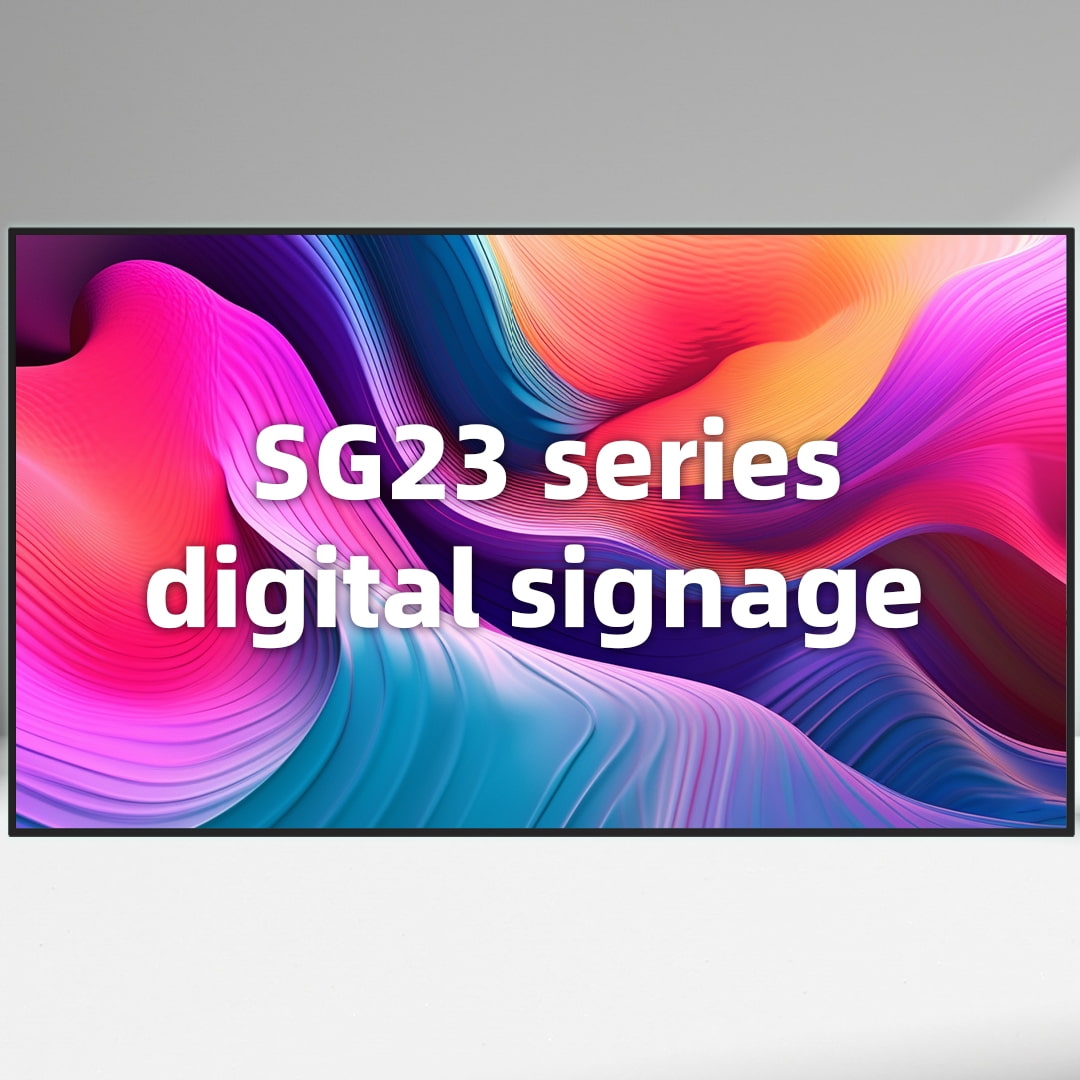
  • Moving Beyond Static Displays: How the PRIMA SG23 Series Reconfigures Commercial Spaces
    Moving Beyond Static Displays: How the PRIMA SG23 Series Reconfigures Commercial Spaces
    May 19, 2026
    In modern retail, transit hubs, and healthcare environments, a digital screen is no longer just an electronic replacement for a paper poster. Dynamic storytelling, real-time data updates, and display aesthetics that complement architectural spaces heavily influence customer decisions and first impressions. The PRIMA SG23 Series Professional Digital Signage is engineered to break away from the limitations of passive viewing. By pairing robust, industrial-grade hardware with an intuitive Centralized Management System (CMS), the SG23 series ensures that your content doesn't just sit on a wall—it moves, engages, and drives operational efficiency.           1. The Balance of Form and Function: Eliminating Commercial Bulk In premium retail boutiques or minimalist hospital lobbies, intrusive hardware design disrupts the intentional flow of the environment. 11.5mm Symmetrical Ultra-Narrow Bezel: The most immediate design breakthrough of the SG23 is its 11.5mm equal bezel on all four sides. This balanced, understated border allows the display to sit flush against surfaces, ensuring user attention stays exactly where it belongs: on the content, not the enclosure. Versatile Orientation for Tailored Spaces: Available in five sizes ranging from 43 to 86 inches, the SG23 natively supports both Landscape and Portrait installations. Whether it is a vertical storefront display showing a lookbook or a wide-format arrival board at a train station, the hardware aligns seamlessly with the architecture.       2. Built for Endurance: 500 Nits and 24/7 Reliability Commercial spaces demand endurance that consumer electronics simply cannot deliver. Sunlight exposure and round-the-clock operations require specialized engineering. High Ambient Visibility: Boasting a 500-nit brightness rating combined with an impressive contrast ratio of up to 5000:1, the SG23 delivers vivid blacks and punchy colors. Even in sun-drenched store windows or intensely lit medical corridors, the on-screen information remains sharp and legible, avoiding washed-out imagery. Continuous 24/7 Non-Stop Operation: High-traffic environments require hardware that doesn't sleep. The SG23 is built with commercial-grade thermal management and power components to run indefinitely, drastically reducing the total cost of ownership (TCO) and mitigating the risk of unexpected downtime.       3. PRIMA CMS: The Core Engine That Brings Content to Life If the SG23 hardware represents a powerful chassis, the PRIMA CMS (Centralized Management System) is its brain. Without optimized software, an advanced display remains underutilized. With PRIMA CMS, commanding a single screen or a nationwide network becomes an efficient, centralized operation: Remote Content Publishing: Eliminate the need for staff to manually update media via USB drives. Update seasonal menus, flash sales, or urgent announcements instantly from a central corporate desk. Unified Operations: Manage multiple sizes and layouts simultaneously. Scale a cohesive visual campaign across a 43-inch column screen and an 86-inch flagship display without fragmentation. Robust Connectivity and Built-In Audio: Equipped with comprehensive physical I/O ports (including USB-C, HDMI In/Out, and LAN) alongside dual 8W speakers, the SG23 creates a fully immersive audio-visual experience out of the box.     4. Cross-Industry Versatility: From Retail to Healthcare The SG23 series is built with the flexibility required to adapt to diverse customer-facing and public sectors: Retail & Dining: Replace static lightboxes with active digital menus that automatically switch from breakfast layouts to dinner promotions based on the time of day. High contrast ensures apparel textures and culinary items look realistic and appealing. Transportation: With 24/7 reliability and high text crispness, the SG23 safely scrolls timetables and gate changes without the risk of screen burn-in during prolonged static readouts. Healthcare & Public Sectors: Utilize portrait displays for doctor directories and check-in queues, while running landscape displays for public wellness tips—keeping visitors informed while streamlining foot traffic.       Conclusion A high-quality commercial display shouldn't just be a box on a wall; it should serve as an extension of the space it occupies and a visual bridge to your audience. By combining clean symmetrical aesthetics, high-end optical specifications, and an agile CMS platform, the PRIMA SG23 Series helps global businesses breathe new digital life into their physical environments.
    Read More
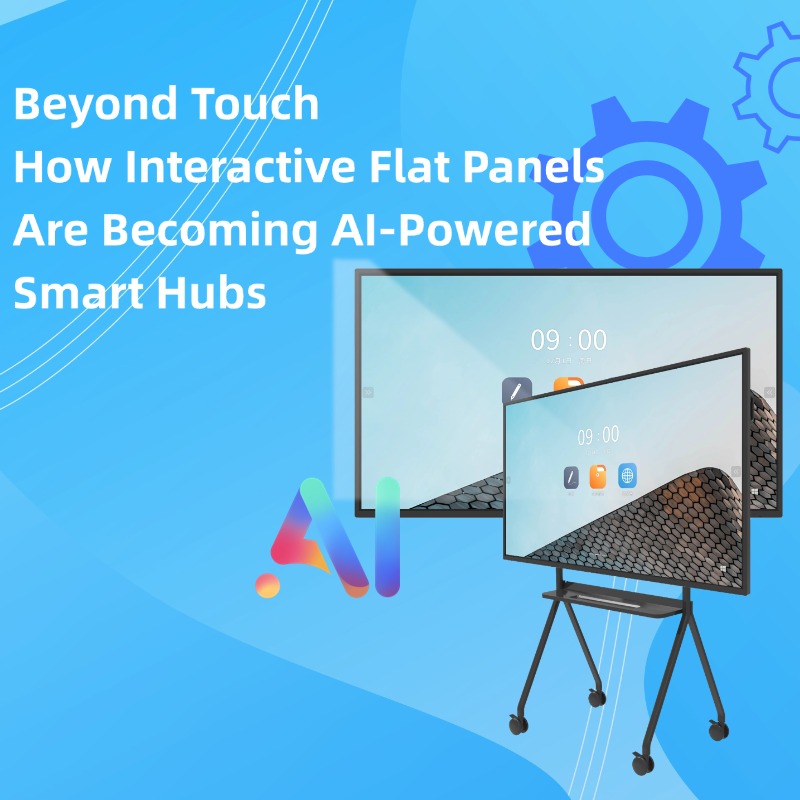
  • Beyond Touch: How Interactive Flat Panels Are Becoming AI-Powered Smart Hubs
    Beyond Touch: How Interactive Flat Panels Are Becoming AI-Powered Smart Hubs
    Nov 27, 2025
    Over the past decade, Interactive Flat Panels (IFPs) have replaced traditional projectors and whiteboards in classrooms, meeting rooms, and training spaces. But what’s happening now is far more transformative. Modern IFPs are no longer just touch-enabled displays—they are becoming intelligent hubs powered by AI, cloud connectivity, and multi-device collaboration.   As organizations move toward smarter classrooms and digital workplaces, AI-enhanced IFPs are playing a central role in how people teach, present, share, and manage information.   1. From Touchscreens to Intelligent Collaboration Centers Traditional touch displays focused on writing, annotation, and screen projection. Today’s IFPs go far beyond that. AI-powered IFPs are evolving into: Real-time collaboration hubs Multi-screen broadcasting centers Device management terminals IoT control dashboards Digital signage nodes within campus or corporate networks This shift is driven by the increasing need for seamless hybrid communication and the demand for centralized software platforms that support large deployments.   2. How AI Changes the Role of Interactive Displays AI is reshaping how IFPs are used in both education and corporate environments.   (1) AI Enhances Teaching & Engagement AI-enabled features support: Automated content recognition Handwriting optimization Smart whiteboarding Voice-to-text or translation Intelligent lesson recording Teachers spend less time managing tools—more time teaching.   (2) AI Improves Meeting Efficiency For business users, AI-powered IFPs support: Automatic meeting summaries Voice commands Instant content search AI-driven layout optimization Smart camera tracking in hybrid meetings Meetings become shorter, clearer, and more productive.   3. Multi-Screen Collaboration: A New Standard One of the most important breakthroughs is multi-screen synchronization, enabling users to share content from multiple devices at once. Modern IFPs support: Simultaneous screen projection from laptops, phones, and tablets Wireless multi-user collaboration Split-screen and tiled layouts Synchronized broadcasting to multiple displays   This is especially valuable in: Group discussions Training centers Corporate workshops STEM and maker classrooms Multi-room synchronized teaching Multi-screen collaboration is no longer a premium feature—it's becoming essential.   4. IFPs as Centralized Smart Hubs Beyond teaching and presentations, IFPs are increasingly positioned as smart control centers. Through CMS platforms like PRIMA CMS, modern displays can connect to: Digital signage networks Campus broadcast systems SIP communications IoT devices (lighting, curtains, air-conditioning) Access control and visitor management Remote monitoring & device status dashboards This transforms the IFP into a central interface that simplifies operations across an entire campus or enterprise.   5. AI + IFP + Software Ecosystem = The Future Hardware alone is no longer the differentiator.What defines the next generation IFP is: ✔ AI computing + ✔ Multi-device collaboration + ✔ Integrated CMS + ✔ Scene-based software (teaching, conferencing, broadcasting)   This ecosystem approach ensures that: Teachers can manage lessons more intuitively IT teams can manage devices centrally Enterprises can unify communication and automation Retailers can extend displays to signage networks Large deployments can scale without complexity IFPs are moving from standalone devices to intelligent nodes in interconnected digital environments.   6. What’s Next for AI-Powered IFPs? Looking forward, several trends will accelerate: More AI inference running directly on-device Voice-driven navigation becoming standard Better integration with cloud ecosystems (Google EDLA, Microsoft, Android Enterprise) Greater convergence with digital signage AI-driven lesson or meeting templates Smarter automation for energy saving and classroom management The role of IFPs will continue to expand—from a touch screen to a smart, AI-driven gateway for learning and collaboration.   Interactive Flat Panels have entered a new era.No longer just digital whiteboards, they are becoming AI-powered smart hubs that unify collaboration, device management, and intelligent automation across modern classrooms and workplaces. As organizations seek more efficient, connected, and user-friendly digital environments, AI-enabled IFPs will shape the future of both education and enterprise collaboration.   If you would like to learn more, please visit our website https://www.primatouchscreen.com
    Read More

Leave a Message

Leave a Message
If you are interested in our products and want to know more details,please leave a message here,we will reply you as soon as we can.
submit

home

products

Contact